





Digital Hygiene
5 Ways Your “Smart Car” is Reporting Your Private Life to Your Insurance Company
May 9, 2026
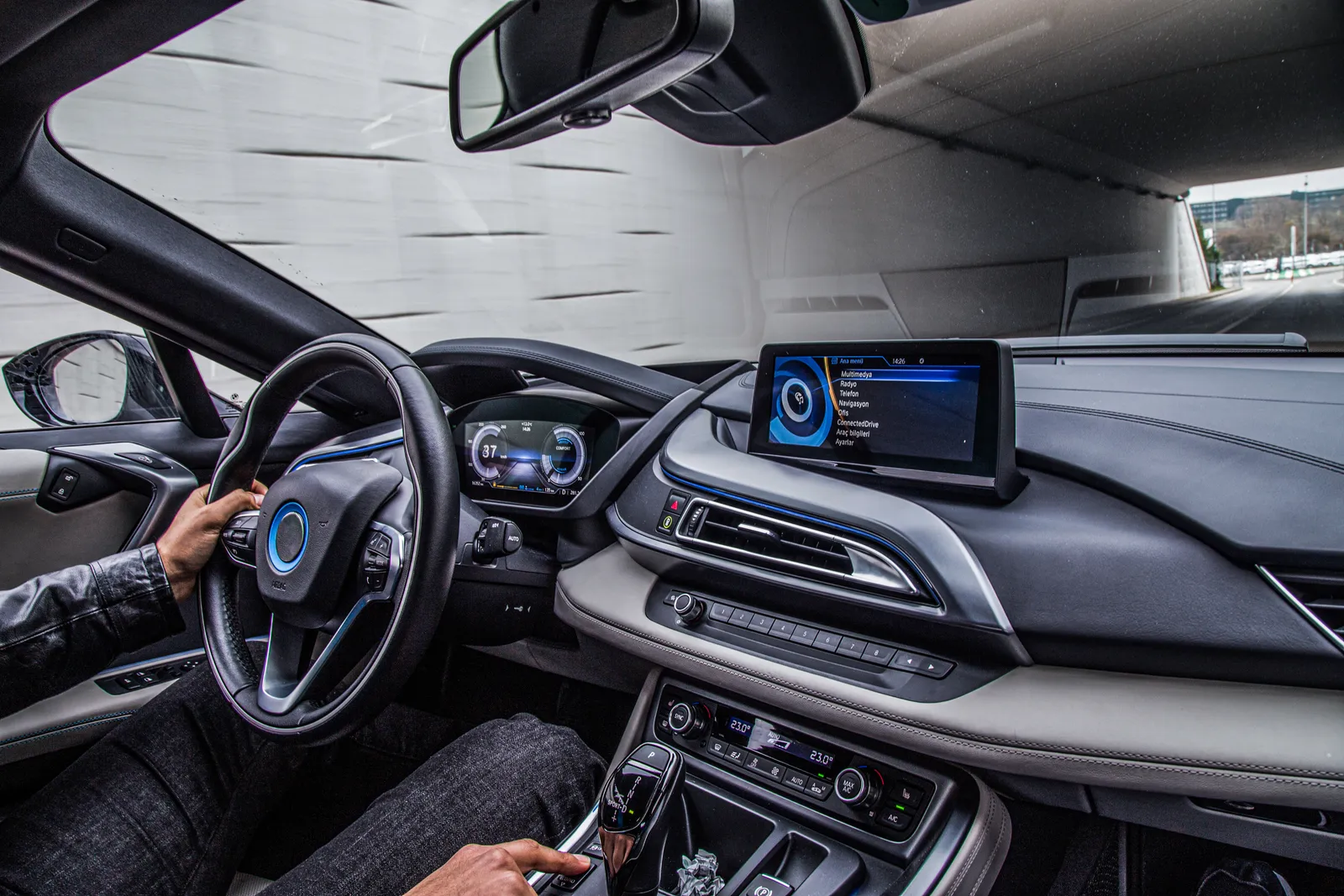
Many people still think of their car as simple transportation. Like you just get in, drive, and leave it parked when you are done. But in 2026, that idea is outdated.
Modern vehicles are no longer just machines. They are connected devices. Your car now collects, processes, and sometimes shares data about how you drive, where you go, and even how you behave behind the wheel.
This is especially true for “smart cars” connected to apps, navigation systems, or insurance programs. Many drivers do not realize that their vehicle may be quietly sending information to their insurance company or third-party data platforms. And whether you believe it or not, your driving behavior data can directly influence your insurance rates, risk profile, and even policy decisions.
Here are five ways your smart car may already be reporting your private life without you fully realizing it.
1. Your driving behavior is being tracked in real time
Most modern smart cars record detailed driving behavior. This includes how fast you accelerate, how hard you brake, and how sharply you turn. This data is often collected through built-in telematics systems or connected apps provided by the manufacturer or insurance company.
At first, this may seem harmless. Many insurance companies promote it as a way to reward safe drivers. But what many people miss is how detailed this tracking really is. Your car is not just measuring “safe” or “unsafe” driving. It is building a pattern of your habits.
This includes whether you tend to speed, how often you drive aggressively in traffic, and how consistently you follow road rules. This is why smart car insurance tracking has become a major privacy topic. Your driving style is no longer private. It is data.
2. Your location history is being stored and analyzed
Your smart car often includes GPS tracking for navigation and traffic updates. But this same system also creates a detailed location history. Over time, your vehicle learns where you live, where you work, and where you stop regularly. It may even track frequent visits to gyms, stores, or medical facilities.
This becomes a full map of your daily routine. In many cases, this information can be shared with insurance providers or connected services. Even if it is anonymized, patterns can still reveal a lot about your lifestyle. This is where vehicle location tracking privacy concerns become very real. Your movements are no longer private. They are stored and analyzed over time.
For example, frequent late-night driving or long commutes may influence how insurers assess risk, even if you are a safe driver overall.
3. In-car apps and connected services are sharing your data
Many smart cars now come with built-in apps for music, navigation, voice control, and messaging. These features make driving more convenient, but they also collect data. When you use these services, your car may share usage information with third-party providers. This can include your location, travel habits, and even voice commands.
Some systems also connect to your smartphone, expanding the amount of data being collected. This is part of a growing issue known as connected car data sharing. The more features your car has, the more data it can generate.
Most drivers do not read the full privacy policies behind these systems. As a result, they are often unaware of how much information is being collected and potentially shared.
4. Insurance-linked driving programs monitor your risk level
One of the fastest-growing trends in 2026 is usage-based insurance. Many companies now offer programs where your driving behavior directly affects your insurance premium. These programs often require you to install an app or activate a feature in your car. Once enabled, your driving is continuously monitored.
Insurance companies use this data to calculate your “risk score.” Safe driving can lower your premium, while risky behavior can increase it. While this may seem fair, it also means your daily driving habits are constantly being evaluated.
This is a key example of telematics insurance tracking, where your car becomes a real-time reporting tool. But the concern for many drivers is not just pricing. It is the level of detail being recorded and how long that data is stored.
5. Your car may be sharing data with third-party brokers
One of the least understood risks comes from data brokers. Your driving data does not always stay with your car manufacturer or insurance company. In some cases, it can be shared or sold to third-party analytics companies.
These companies aggregate data from multiple sources. Over time, they build detailed profiles about driving behavior, location patterns, and risk levels, creating a broader ecosystem of automotive data collection, where your car is just one source of many.
Even if your name is not attached directly, your driving patterns can still be analyzed and categorized. This is part of a larger trend in digital profiling, where behavior data is more valuable than personal identity.
If you’re serious about reducing how much of your personal data is circulating across these systems, Privacy Bee can help identify where your information appears online and request removal from data broker databases.
Why You Need to Take Car Data Privacy Seriously in 2026
In 2026, cars are more connected than ever. Electric vehicles, smart dashboards, and constant internet connectivity have made data collection standard. At the same time, insurance companies are relying more on behavioral data to set pricing and assess risk.
This combination means your car is no longer just transportation. It is a data device on wheels. Many drivers are only now realizing the scale of smart vehicle data tracking and how much personal information is being collected in the background.
What You Can Do to Reduce Your Exposure
You do not need to stop using modern cars to protect your privacy. But you do need to understand what is happening and take small steps to reduce unnecessary tracking.
- Start by reviewing your car’s privacy settings. Many systems also allow you to limit data sharing or disable certain tracking features.
- Check if you are enrolled in any insurance tracking programs. If you are, understand what data is being collected and how it affects your policy.
- Be mindful of connected apps. If a feature is not essential, consider turning it off or limiting permissions.
- You can also review your insurance provider’s data policy to see how your driving information is being used.
Final Thoughts
The idea that your car is a private space is quickly changing. Today, your car is no longer just a vehicle. It is part of your digital footprint. Yes, smart cars are powerful data collectors. They track how you drive, where you go, and how often you travel. And in some cases, this information is shared with insurance companies and third-party data platforms.
Most people are only now realizing how deep vehicle data tracking systems go. The key takeaway isn't just awareness, though. Because once you understand what your car is collecting, you can make more informed decisions about what to share and what to limit.
Photo credit: Image by azerbaijan_stockers on Magnific